Farm Stays in Umbria

297 Results list
Map Save search Favourites
Tailored quote
Direct contact with the owner
CIN-certified properties


From €45/night
Farm-house
Agriturismi.it 4,7 (2 Reviews)

Pugnano Alto

Lisciano Niccone (Perugia)

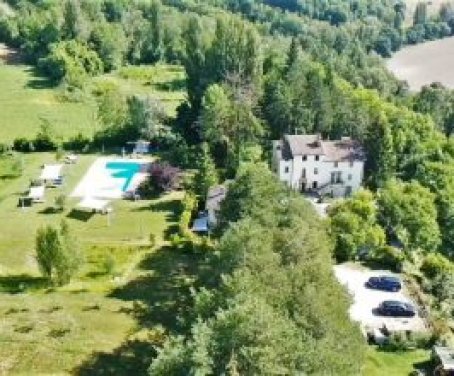
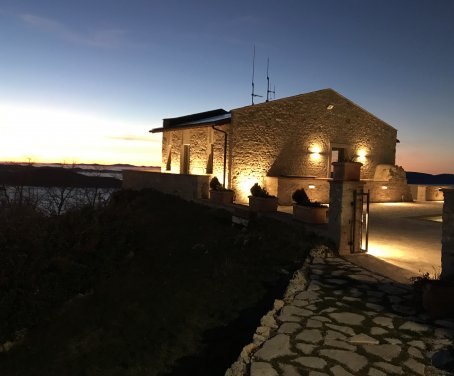
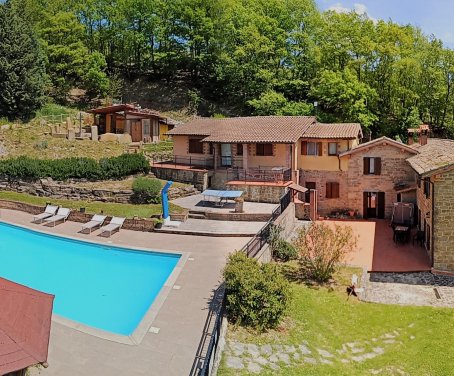
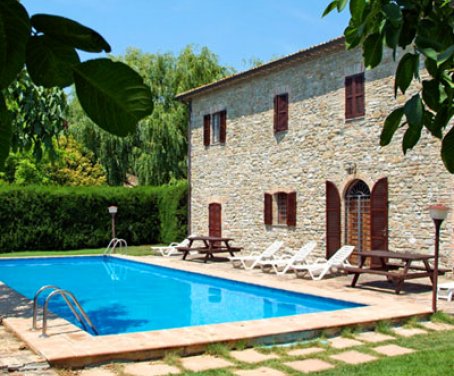
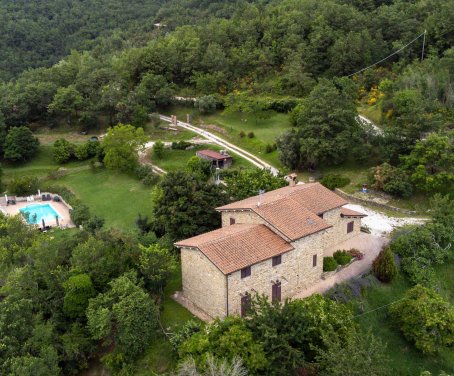
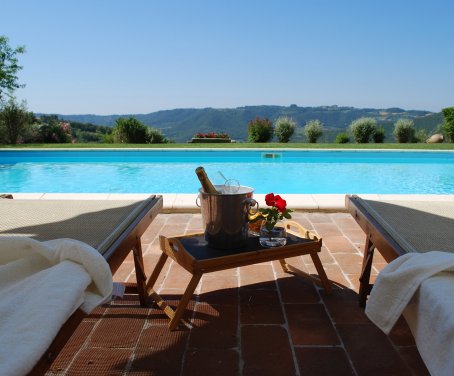
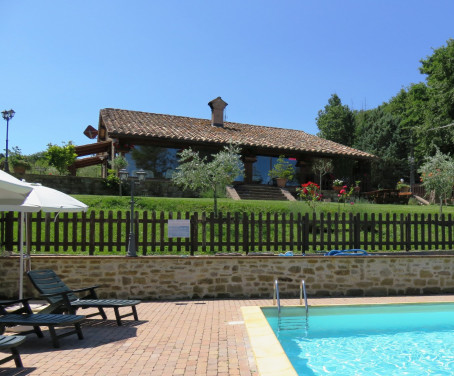
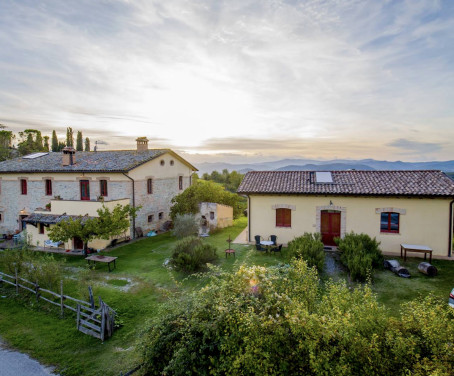
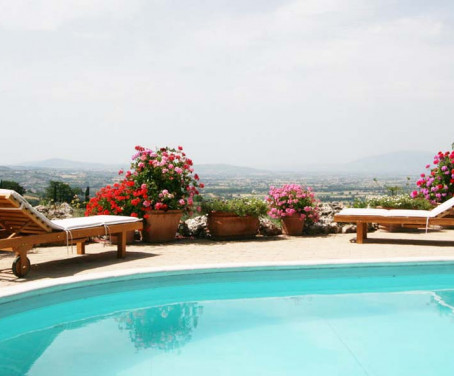
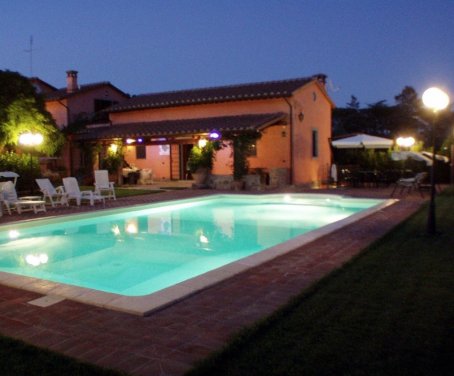
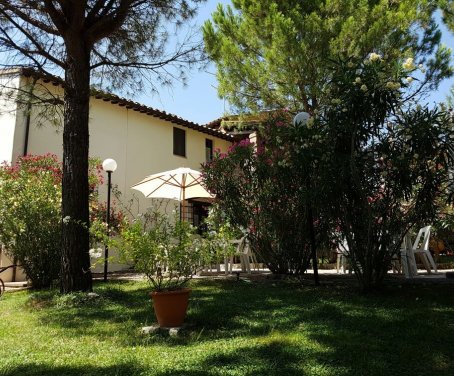
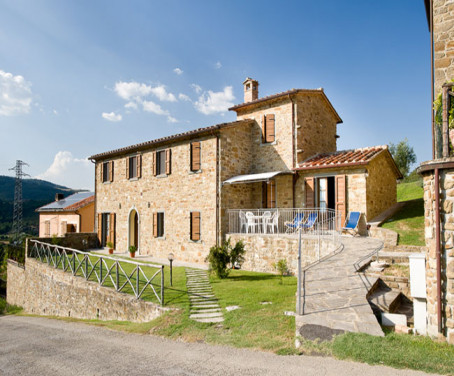
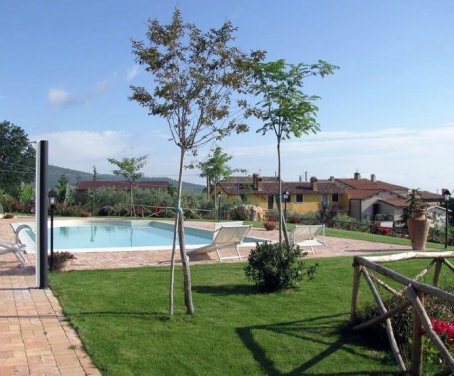
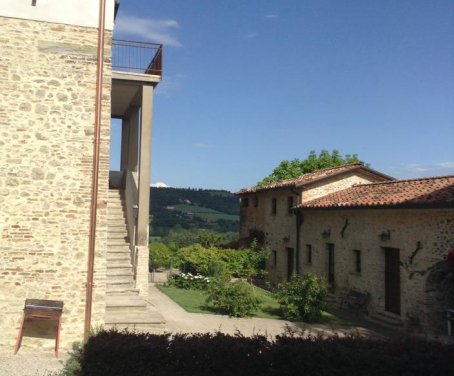
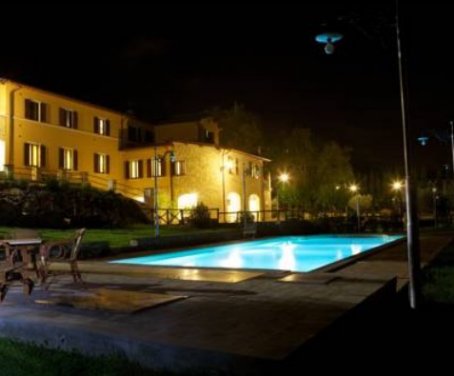
"The farmhouse offers charming guest accommodation in a beautifully converted stone farmhouse, on a hill overlooking the..."

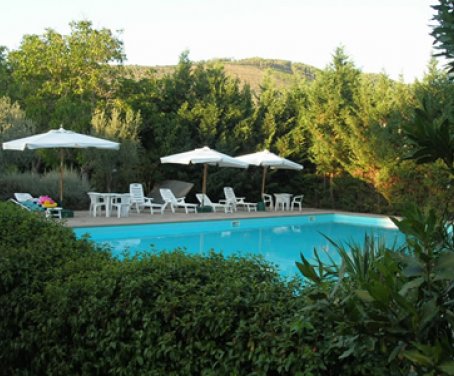
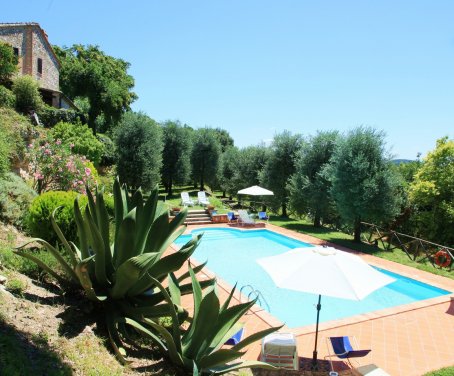
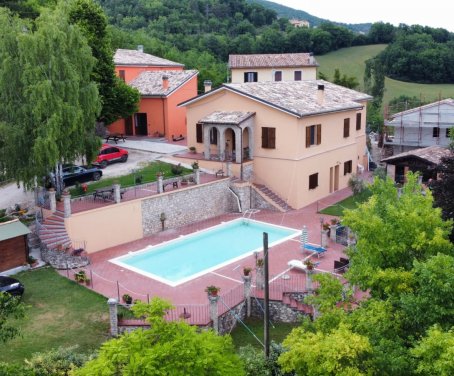
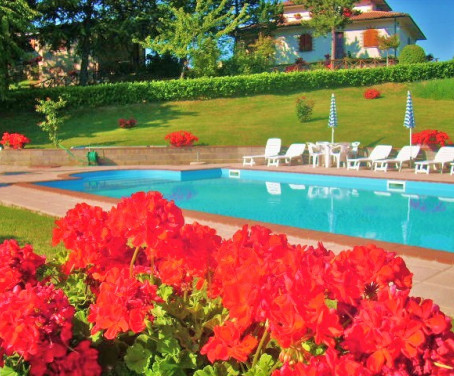
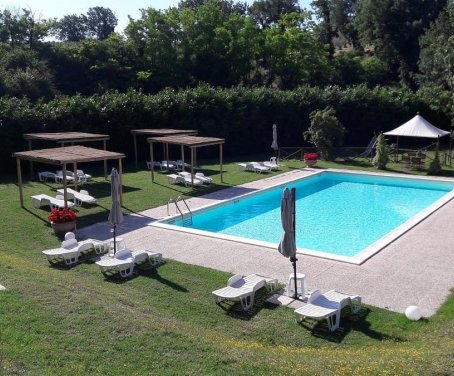
Free WifiDisabled AccessElectric Car Charging StationOutdoor PoolPets WelcomedAir ConditioningSeaApartments


Agriturismo in Umbria

Farm stays in Umbria occupy the one Italian region with no coastline at all — hills, oak woods and river valleys instead, which is how it earned the name "the green heart of Italy". Farms here are typically smaller and less commercial than in neighbouring Tuscany, and prices tend to follow.

Where to base yourself

The area around Assisi and Spello puts you within reach of the region's best-known churches and hill towns, with Perugia half an hour away. Further south, the Valnerina cuts a narrow wooded valley towards Norcia, known for its pork butchery and its lentils, and continues to the Marmore waterfall. Around Lake Trasimeno the land flattens and warms, with swimming, cycling and island ferries. In the far south, Orvieto sits on its volcanic rock above vineyards producing the white wine that carries the town's name.

What to expect on the farm

  • Olive oil from Trevi, Spoleto and the Assisi slopes, among the most respected in Italy
  • Truffle hunts with a dog and handler, black truffle in summer and winter, white in autumn
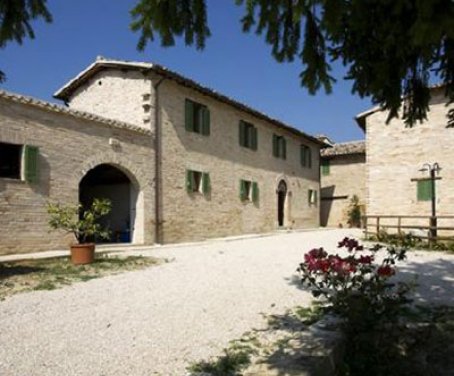
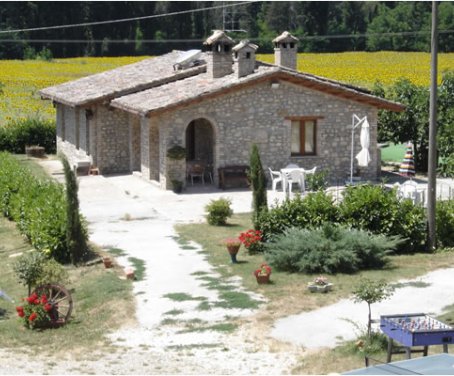
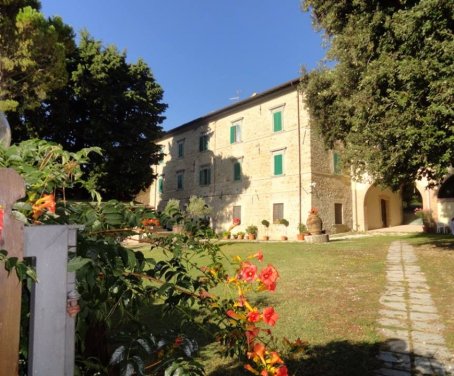
  • Farmhouses restored in local stone, often with only a handful of rooms
  • Half board at farms with their own kitchen, which is common here and worth taking
  • Horse riding and marked walking trails, including stretches of the Way of St Francis

Practical notes

Spring brings the wildflower bloom on the Castelluccio plateau, usually late May to early July, and it is the single busiest window in the region. Autumn is quieter and better for food: truffle, new oil and chestnuts arrive together from October. Winters are cold inland and many farms close between January and March.

Perugia has a small airport; most visitors arrive via Rome, roughly two hours by car, or Florence. Trains reach Assisi, Spoleto and Orvieto, but a car is needed to get from any station to a farm in the hills.

In Umbria we have 297 farmhouses, including 251 with swimming pool, 119 with restaurant and 188 pet friendly.

A selection of over 3800 italian farmhouses; impossible not to find the ideal solution!
Since 1999 we deal with farmhouse; what better guarantee?
Book safely; a fundamental aspect for us.
Are you an owner?
List your property on Agriturismi.it
Find out how

Frequently asked questions about Umbria

How many agriturismi are there in Umbria and how are they distributed?
There are 297 active agriturismi in Umbria. The province with the highest concentration is Perugia, with 246 structures, followed by Terni with 51. The offerings span very different territories: from the hills of Trasimeno to the Apennine valleys in the south, with a prevalence of family-run farms combining lodging and in-house dining.
Which areas of Umbria are best for an agriturismo stay?
The areas with the highest concentration of structures and established demand are Lago Trasimeno, with its lakeside landscapes and olive groves; Valnerina and Marmore, suited to those looking for nature and river trails; and Gubbio and its surroundings, a zone of woodland and truffle. Todi offers hills planted with vines and olive trees. Cascia is the main reference point for Umbria's high mountain terrain and the Parco dei Monti Sibillini.
What are the typical products and cuisine of Umbrian agriturismi?
Umbrian cuisine is built around minimally processed ingredients: Castelluccio IGP lentils, spelt, Trasimeno borlotti beans, black truffle from Norcia and white truffle from Gubbio. Cured meats — norcineria in particular — appear on nearly every menu. The main wines are Sagrantino di Montefalco DOCG and Torgiano Rosso Riserva DOCG. DOP Umbria extra virgin olive oil is produced throughout the region.
What is the best time of year to visit an agriturismo in Umbria?
Spring (April–May) is well suited for hiking and wildflower season; autumn (October–November) coincides with the olive harvest, the black truffle season, and local food festivals in the borghi. Summer is hot and crowded around Trasimeno. Winter suits those looking for quiet and lower rates, with possible snowfall in the Apennines from December through February.
What services do agriturismi in Umbria offer?
Services vary considerably from one property to another. Among the most common are an in-house restaurant, a swimming pool, direct sales of estate olive oil and wine, and pet-friendly accommodation. Some properties have a fattoria didattica or organic certification. On Agriturismi.it you can filter structures by individual service to find the ones that match your specific needs.
What can you do during an agriturismo stay in Umbria?
The most popular activities include wine and olive oil tastings on the estate, hiking or cycling along the CAI trail network, and day trips to nearby art cities (Assisi, Spoleto, Orvieto). In the Valnerina and Marmore area, outdoor activities such as rafting and canyoning are widely available. Truffle hunting with trained dogs is a common experience, especially in the area between Norcia and Gubbio.
What is the average cost per person of an agriturismo in Umbria?
The entry range runs between €35 and €60 per person per night, in standard double rooms with breakfast included. Properties with a pool, quality kitchen, and restored interiors are priced between €90 and €160 per room per night. Estates with a spa or charme suites exceed €200. Umbria remains one of the central Italian regions with the best value for money in agriturismo.

SUBSCRIBE TO THE FARMHOUSES NEWSLETTER

Exclusive deals, travel ideas and rural lifestyle news