Farm Stays in Tuscany

673 Results list
Map Save search Favourites
Tailored quote
Direct contact with the owner
CIN-certified properties


Agriturismo in Tuscany

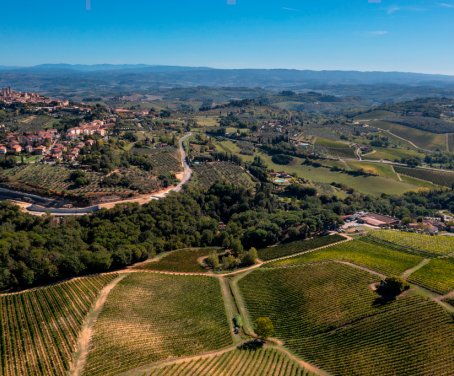
Farm stays in Tuscany are working farms that host guests: vineyards around Siena, olive groves in the Chianti hills, cereal and sheep farms across the Val d'Orcia. Italian law requires an agriturismo to remain an active agricultural business, which is why a stay here comes with the farm's own wine, oil and cheese rather than hotel catering.

Where to base yourself

The Chianti strip between Florence and Siena is the classic first choice: medieval villages, cellar visits and short drives to both cities. The Val d'Orcia, south of Siena, is quieter and more scenic, with Pienza, Montalcino and Montepulciano within half an hour of each other. The Maremma, along the southern coast, combines farmland with beaches and thermal springs, and stays warm well into October. For walking and chestnut woods rather than vines, the Garfagnana in the north-west is far less travelled.

What a Tuscan farm stay usually includes

  • Breakfast built around the farm's own produce, often with cakes baked that morning
  • Wine tastings on site where the estate bottles its own Chianti, Brunello or Vernaccia
  • Cooking classes centred on pasta, ribollita and seasonal vegetables
  • Apartments with kitchens as well as rooms, which suits families and longer stays
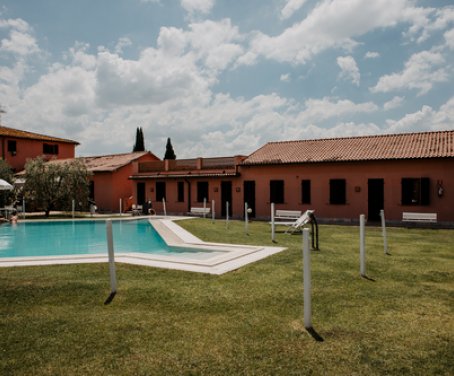
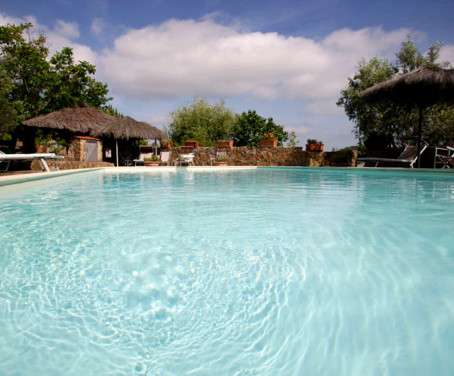
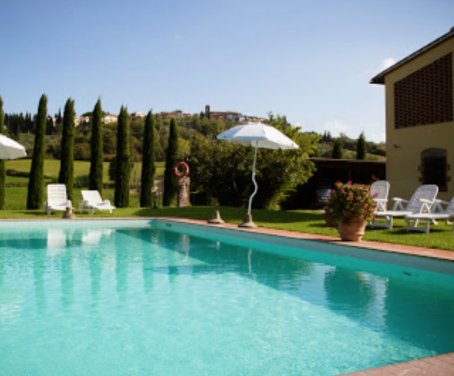
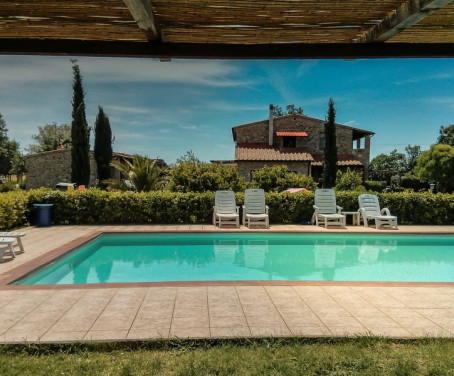
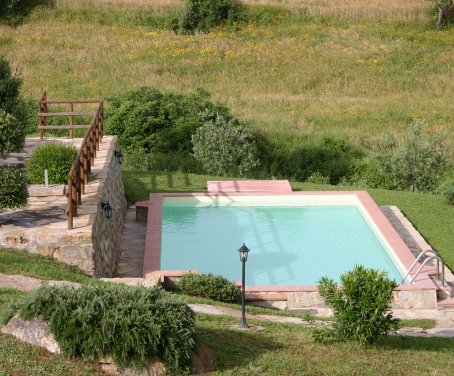
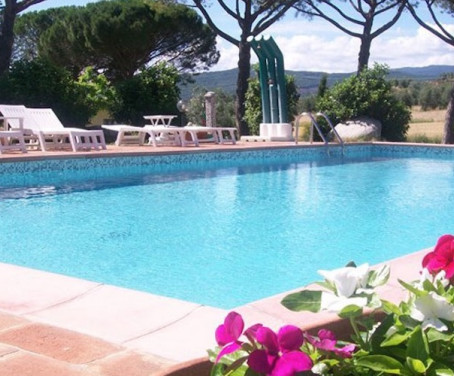
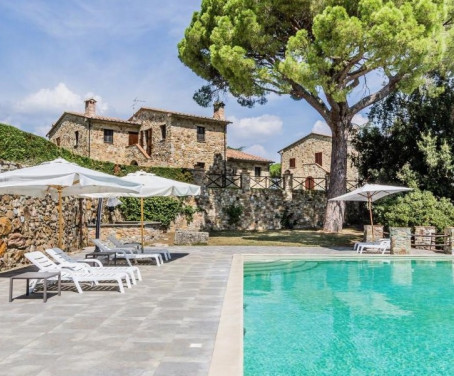
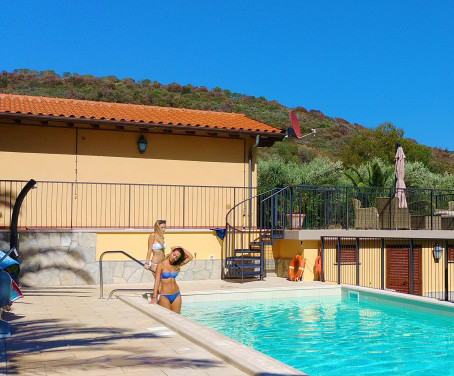
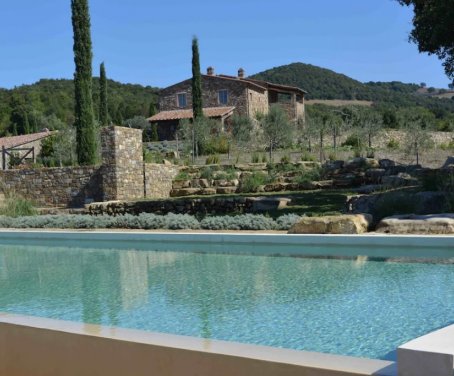
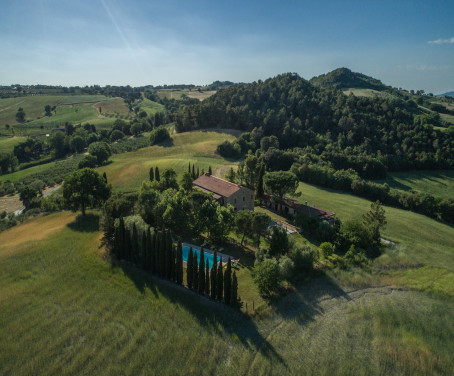
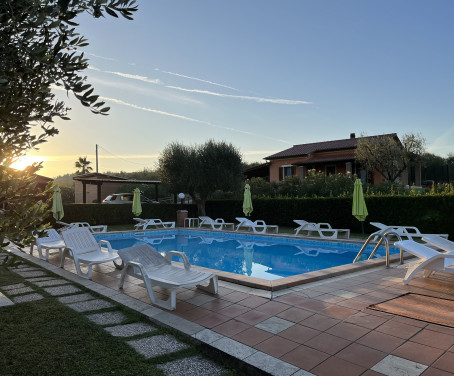
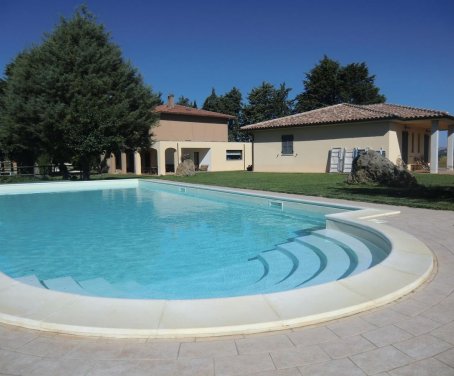
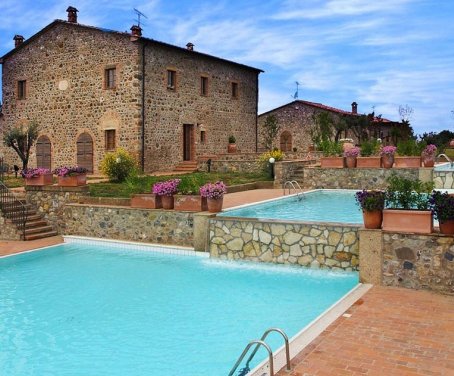
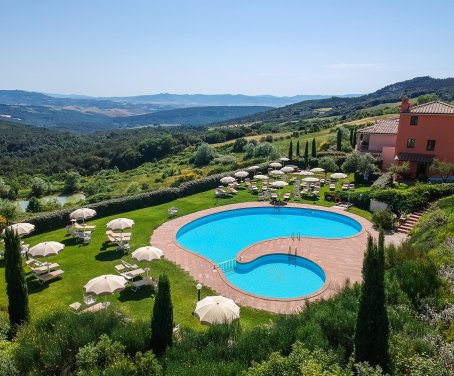
  • A pool, in a large share of properties, usually set among the vines or olive trees

When to come

May, June and September are the most comfortable months, with warm days and manageable crowds. The grape harvest runs from late August into early October and is the liveliest time on a wine estate; the olive harvest follows in November, when many farms press their oil and prices drop. July and August are hot inland and busiest, so book early if you need a pool.

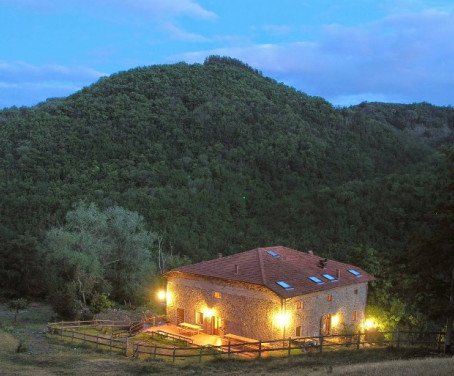
Most farms sit several kilometres from the nearest village along unpaved lanes, so a car is effectively essential. Pisa and Florence airports are the usual arrival points, and driving times from either to the Chianti or the Val d'Orcia run from one to two hours.

In Tuscany we have 673 farmhouses, including 491 with swimming pool, 286 with restaurant and 395 pet friendly.

A selection of over 3800 italian farmhouses; impossible not to find the ideal solution!
Since 1999 we deal with farmhouse; what better guarantee?
Book safely; a fundamental aspect for us.
Are you an owner?
List your property on Agriturismi.it
Find out how

Frequently asked questions about Tuscany

How many agriturismi are there in Tuscany, and where are they concentrated?
Tuscany has 673 active agriturismo structures. The province with the highest supply is Siena (169 structures), followed by Grosseto (124), Florence (104), Pisa (92), and Arezzo (79). Density is high in the inland hill areas: Chianti, Crete Senesi, and Val d'Orcia account for a significant share of the total supply.
Which areas of Tuscany are best for an agriturismo stay?
It depends on what you are looking for. Chianti and the Crete Senesi offer wine-country landscapes with a high concentration of structures. Val d'Orcia is a good choice for those seeking quiet and distance from mass tourist flows. Maremma combines both vocations: agricultural hinterland and coastline. Garfagnana and Casentino are the main options for those focused on mountains and natural parks.
What do you eat at a Tuscan agriturismo?
The foundation is local farmhouse cooking: pici, ribollita, pappa al pomodoro, wild boar stew, and Chianina beef steak. DOP cheeses include Pecorino Toscano and Pecorino di Pienza. IGP Toscano extra-virgin olive oil is present at nearly every structure. Wines vary by area: Chianti Classico DOCG, Brunello di Montalcino, Morellino di Scansano, Vernaccia di San Gimignano.
When is the best time to visit an agriturismo in Tuscany?
April, May, and September–October are the months with the best balance of weather, availability, and prices. In spring the fields are in bloom and temperatures are mild. Autumn coincides with the grape harvest and olive picking: many structures organize tastings and winery visits. July and August remain crowded and more expensive, especially along the Costa degli Etruschi and in Maremma.
What services do agriturismi in Tuscany offer?
The offering varies widely. A pool, restaurant with house cooking, and tastings of the estate's wines are the most common services. Some structures offer fattorie didattiche, pet-friendly accommodations, organic certification, or wellness treatments. On Agriturismi.it you can filter Tuscan structures by each service to find directly those that match your needs.
What activities can you do during an agriturismo stay in Tuscany?
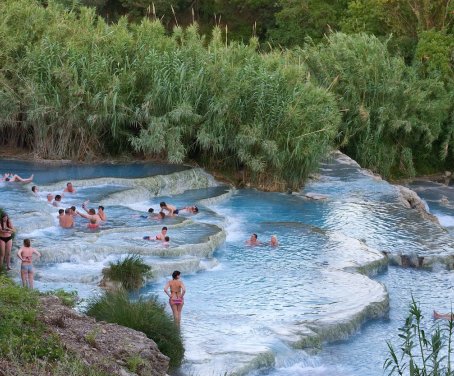
Options vary considerably by area. In Chianti and Val d'Orcia, winery tastings, cycling, and trekking among the vineyards are the dominant activities. In Maremma and Val di Chiana, horseback riding and wildlife watching are widespread. The thermal baths of Saturnia, Bagno Vignoni, and Petriolo are reachable from many structures in the provinces of Grosseto and Siena. The Tuscan Archipelago adds snorkeling and coastal excursions.
How much does an agriturismo in Tuscany cost per person per night?
Tuscany is one of the agriturismo regions with the highest average prices in Italy. The entry-level range starts at €40–60 per person per night, half-board or room-only. Structures with a pool, their own winery, and a panoramic position in Chianti or Val d'Orcia typically fall between €120 and €250 per night for a double room. Resort-style structures with a spa frequently exceed €300.

SUBSCRIBE TO THE FARMHOUSES NEWSLETTER

Exclusive deals, travel ideas and rural lifestyle news